Introduction
In business, strong communication with clients can make the difference between a lost opportunity and a long-term partnership. Effective client communication is about understanding their needs, clearly conveying your value, and building trust.
This blog explores actionable strategies to improve client interactions and enhance lead conversion.

About Our Blog
Welcome to our blog, where we provide practical tips and insights on sales, marketing, and client engagement. Our goal is to help professionals and businesses enhance their communication skills, generate leads efficiently, and foster stronger client relationships. Through expert advice and real-world examples, we guide you to achieve measurable results.
Join us on this journey as we explore the dynamic intersection of lead generation and communication, helping you sharpen your skills and drive results in today’s evolving business landscape.
“Success is not just about having great ideas; it’s about turning those ideas into reality with passion and persistence.”
Why Choose Us
We focus on strategies that ensure Effective Client Communication drives results:
Understanding client goals to tailor conversations effectively.
Preparing clear, concise, and value-focused messaging.
Maintaining consistent follow-ups to nurture leads and relationships.

Popular Updates
Key techniques to Effective client communication include:
Active listening to understand client concerns and priorities.
Using multi-channel communication for timely engagement.
Personalizing messages to create a meaningful connection.
Leveraging feedback to continuously improve communication methods.
How to Improve Lead Generation and Email Communication (9 Essential Strategies) for Growth
From crafting targeted email messages to managing prospects effectively, these nine essential strategies are designed to improve your lead generation efforts, increase engagement, and convert prospects into long-term clients in a competitive market.
1. Understanding Prospect Needs Through Research and Listening
Successful lead generation starts with understanding your prospects. This means researching their industry, pain points, and goals before reaching out. In email marketing, reading responses carefully and identifying intent helps you tailor follow-ups that feel relevant rather than generic. Asking the right questions and summarizing their needs ensures your messaging stays aligned with their expectations.
2. Choosing the Right Outreach Channels
The channel you use plays a major role in lead response rates. Email is ideal for structured outreach, follow-ups, and nurturing sequences, while phone calls can help qualify warmer leads quickly. For high-value prospects, video calls can help establish trust and move conversations forward faster. Selecting the right channel based on the lead’s stage improves clarity and engagement.
When managing campaigns that require frequent coordination, email works well for scheduled updates and documentation. However, for important discussions such as pricing or decision-making, a live call can reduce friction and speed up conversions.
3. Setting the Right Communication Frequency
Consistent follow-up is critical in lead generation, but excessive emails can push prospects away. Create a clear follow-up schedule that balances persistence with respect. Well-timed emails keep your brand top of mind while allowing prospects space to respond, increasing the chances of positive engagement.
4. Keeping Messages Clear and Conversion-Focused
Clear and concise messaging improves email open and reply rates. Avoid unnecessary jargon and focus on the value you offer. Each email should have a single purpose, whether it’s booking a call, sharing information, or nurturing interest. Simple, direct communication reduces confusion and drives action.
5. Building Strong Feedback and Response Loops
Lead generation improves when you actively track responses and feedback. Monitor open rates, replies, and objections to refine your messaging. Encourage prospects to share their concerns and respond with helpful, solution-oriented replies. This approach strengthens trust and improves campaign performance over time.
Consider reviewing campaign results regularly to identify what’s working. Structured feedback from replies and analytics helps you adjust subject lines, email content, and follow-up timing for better results.
6. Managing Objections Professionally
Not every prospect will respond positively. When objections arise, address them calmly and professionally. Use objections as opportunities to clarify value, offer alternatives, or reposition your service. A thoughtful response can turn hesitation into interest.
7. Adapting to Different Markets and Audiences
Lead generation and Effective Client Communication often involve reaching prospects from different regions and industries. Be mindful of variations in communication preferences, tone, and expectations. Adjusting your email style and outreach approach based on the audience increases relevance and response rates.
8. Maintaining Professional Email Etiquette
Professionalism matters in every outreach message. Polite language, clear subject lines, and respect for the recipient’s time improve credibility. Well-structured emails with proper formatting reflect reliability and increase the likelihood of engagement.
9. Using Technology to Streamline Lead Communication
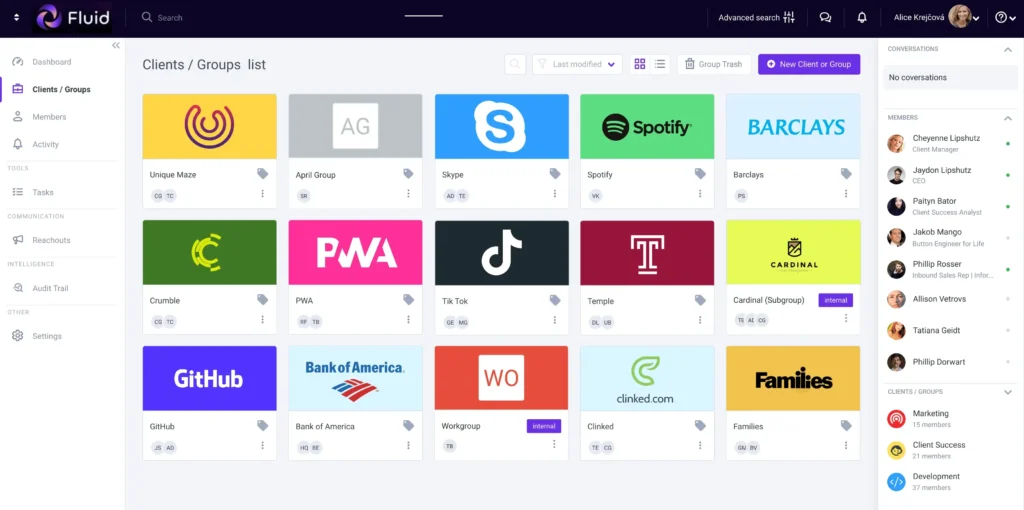
Technology plays a key role in modern lead generation and email marketing through Effective Client Communication. CRM systems help track conversations, manage follow-ups, and prevent missed opportunities. Email automation tools support consistent outreach while still allowing personalization. Client dashboards and organized communication systems improve transparency and build confidence throughout the sales process.
By applying these strategies consistently, businesses can improve lead quality, strengthen email engagement, and convert more prospects into loyal clients.
Conclusion
In conclusion, Effective client communication in lead generation and email communication helps build trust and credibility with prospects. Clear, timely, and personalized outreach improves engagement and response rates. Consistent follow-ups keep leads warm and moving through the funnel. Using the right tools ensures no opportunity is missed. By applying these strategies, businesses can convert more leads into long-term clients.